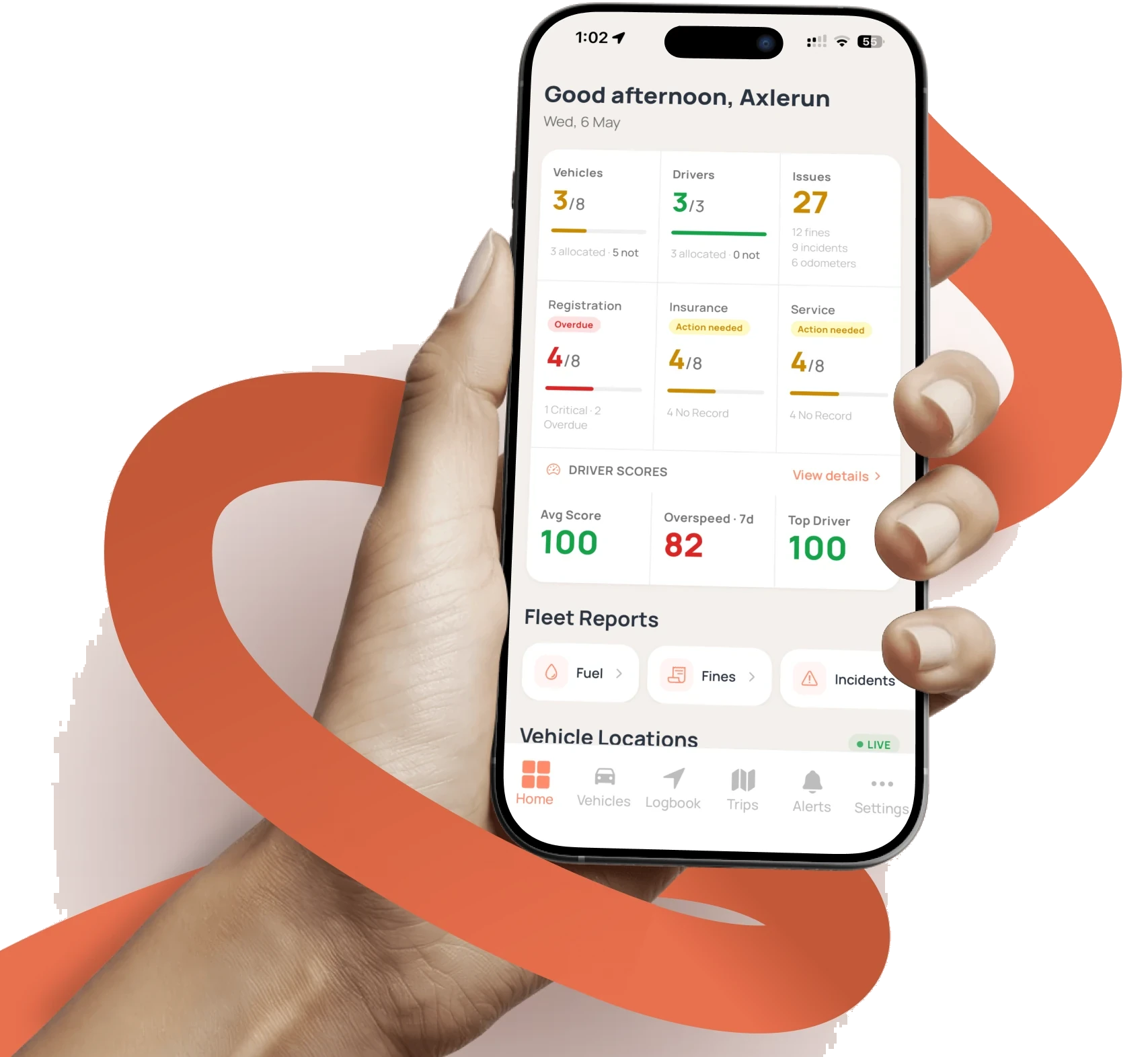
Manage your fleet efficiently with the best fleet management software in Australia. Reduce costs, stay compliant & track drivers in real-time. Start free.
Managing a fleet in Australia today is no longer just about keeping vehicles on the road. It’s about staying compliant, controlling rising costs, managing drivers efficiently, and delivering a seamless customer experience.
Many small businesses still rely on spreadsheets, manual logbooks, or disconnected tools. While this may work initially, it quickly becomes inefficient as operations grow.
That’s where fleet management software becomes a game-changer.
In this guide, you’ll learn what fleet management software is, why it’s essential in Australia, key features to look for, and how it can help your business reduce costs and scale efficiently.
What Is Fleet Management Software?
Fleet management software is a centralized digital platform that helps businesses manage vehicles, drivers, operations, and costs from one place.
Instead of juggling multiple systems, everything is streamlined into a single dashboard.
It typically allows you to:
- Track vehicles in real time
- Manage driver activity and accountability
- Monitor fuel and maintenance costs
- Stay compliant with regulations
- Assign and track jobs
In simple terms, it gives you complete visibility and control over your fleet operations.
Why Fleet Management Is Critical in Australia
Australian businesses face unique operational challenges that make fleet management software essential—not optional.

1. Strict Compliance Requirements
Businesses must manage:
- Vehicle registrations
- Insurance renewals
- FBT logbooks
Missing deadlines can lead to:
- Heavy fines
- Legal risks
- Business disruptions
2. Rising Fuel Costs
Fuel is one of the biggest operational expenses.
Without tracking:
- Fuel misuse goes unnoticed
- Inefficiencies increase
- Profit margins shrink
3. Long Distances & Harsh Conditions
Australia’s geography means:
- Vehicles travel longer distances
- Higher wear and tear
- Increased maintenance costs
4. Driver & Job Management Challenges
Manual coordination leads to:
- Miscommunication
- Delays
- Lack of accountability
Fleet software solves these problems by bringing everything into one structured system.

Key Features to Look for in Fleet Management Software
Not all fleet management tools are created equal. The right software should solve real business problems—not just add complexity.
1. Compliance Management
Stay ahead of deadlines with automated tracking.
Key capabilities:
- Registration reminders
- Insurance alerts
- Digital logbooks (FBT-ready)
This ensures you never miss compliance deadlines again.
2. Cost Tracking & Financial Insights
Understanding your expenses is critical for profitability.
Track:
- Fuel consumption
- Maintenance costs
- Tolls and fines
- Overall fleet expenses
Helps identify where money is being wasted.
3. Vehicle Lifecycle Management
Manage every stage of your vehicle’s life.
Includes:
- Odometer tracking
- Service scheduling
- Maintenance history
Reduces breakdowns and extends vehicle lifespan.
4. Driver Management
Improve accountability and performance.
Features include:
- Driver allocation
- Shift tracking
- Performance monitoring
Ensures better utilisation of your workforce.
5. Job & Dispatch Management
This is where many tools fall short—but it’s critical for service businesses.
You can:
- Assign jobs to drivers
- Track job progress in real time
- Send updates to customers
Improves both efficiency and customer experience.
6. Mobile-First Access
Your team is always on the move.
A good system should:
- Work seamlessly on mobile
- Provide real-time updates
- Be easy to use on the go
Platforms like Axlerun combine all these features into one system, eliminating the need for multiple tools.
How Fleet Management Software Helps Reduce Costs
One of the biggest advantages of fleet management software is its ability to significantly reduce operational costs.
1. Fuel Cost Optimisation
Fuel is often the largest expense.
Software helps you:
- Track fuel usage patterns
- Identify inefficiencies
- Reduce wastage
Even small improvements can lead to major savings.
2. Preventive Maintenance
Instead of reacting to breakdowns, you can prevent them.
Benefits:
- Timely servicing
- Reduced downtime
- Lower repair costs
3. Reduced Administrative Work
Manual processes take time and are prone to errors.
Automation helps:
- Eliminate paperwork
- Improve accuracy
- Save time
4. Avoiding Fines & Penalties
Missed compliance deadlines can be expensive.
With alerts:
- No missed renewals
- No unexpected fines
5. Better Resource Utilisation
Understand how your fleet is being used.
This allows you to:
- Optimise routes
- Improve scheduling
- Increase productivity
Many Australian businesses reduce fleet costs by 20–30% after implementation.
What Makes Modern Fleet Software Different?
Traditional fleet management systems were often built for large enterprises. They were complex, expensive, and difficult to use.
Modern solutions are different.
Today’s fleet software is:
- Simple and user-friendly
- Mobile-first
- Designed for small to mid-sized businesses
- Focused on real business problems
Instead of multiple tools, you get:
- Compliance tracking
- Cost management
- Driver monitoring
- Job tracking
All in one platform.
How to Choose the Right Fleet Management Software
Choosing the right tool can make or break your operations.
Ask these key questions:
1. Is it built for small businesses?
Avoid overly complex enterprise tools.
2. Does it cover all core functions?
You need:
- Compliance
- Cost tracking
- Driver management
- Job tracking
3. Is it easy to use?
If your team won’t use it, it won’t work.
4. Is it mobile-friendly?
Your operations happen on the road.
5. Does it provide insights?
Data should help you make better decisions.
The right software should simplify your operations—not complicate them.
Common Mistakes Businesses Make
Many businesses fail to maximise the benefits of fleet software due to avoidable mistakes.
Using Multiple Disconnected Tools
Leads to:
- Data gaps
- Inefficiency
- Confusion
Ignoring Compliance
Results in:
- Fines
- Legal risks
Not Tracking Costs Properly
You lose visibility into:
- Fuel expenses
- Maintenance costs
- Profitability
Delaying Digital Adoption
Manual systems:
- Slow growth
- Limit scalability
Avoiding these mistakes can significantly improve your results.
Future of Fleet Management in Australia
Fleet management is evolving rapidly.
Key trends include:
- Mobile-first platforms
- Real-time data tracking
- Automation of compliance and operations
- Data-driven decision making
Businesses that adopt these technologies early will gain a strong competitive advantage.
Why Small Businesses Should Act Now
If you’re still managing your fleet manually, you’re likely:
- Losing money
- Wasting time
- Missing opportunities
By adopting fleet management software, you can:
- Improve efficiency
- Reduce costs
- Scale your operations
- Deliver better service
The sooner you adopt, the faster you see results.
Get Started with Fleet Management Software
Getting started is easier than ever.
Modern platforms allow you to:
- Start small
- Scale as your business grows
- Avoid large upfront costs
For example, Axlerun allows businesses to start with a small number of vehicles and expand over time .
Whether you run a:
- Delivery service
- Construction business
- Plumbing company
- Field service team
Fleet management software can transform your operations.
FAQs
What is fleet management software?
Fleet management software helps businesses manage vehicles, drivers, costs, and compliance in one platform.
Is fleet management software suitable for small businesses?
Yes. It improves efficiency, reduces costs, and provides better visibility.
How does fleet software reduce costs?
It reduces fuel wastage, prevents breakdowns, and automates administrative tasks.
Do I need fleet software for a small fleet?
Yes. Even small fleets benefit from improved organisation and scalability.
Final Thoughts
Fleet management is no longer just about operations—it’s about gaining a competitive edge.
Businesses that adopt modern tools can reduce costs, improve efficiency, and scale faster.
If you’re looking to simplify your fleet operations and gain full control, now is the time to make the switch.